Antidetect browser for affiliate marketing: how to keep ad accounts separate

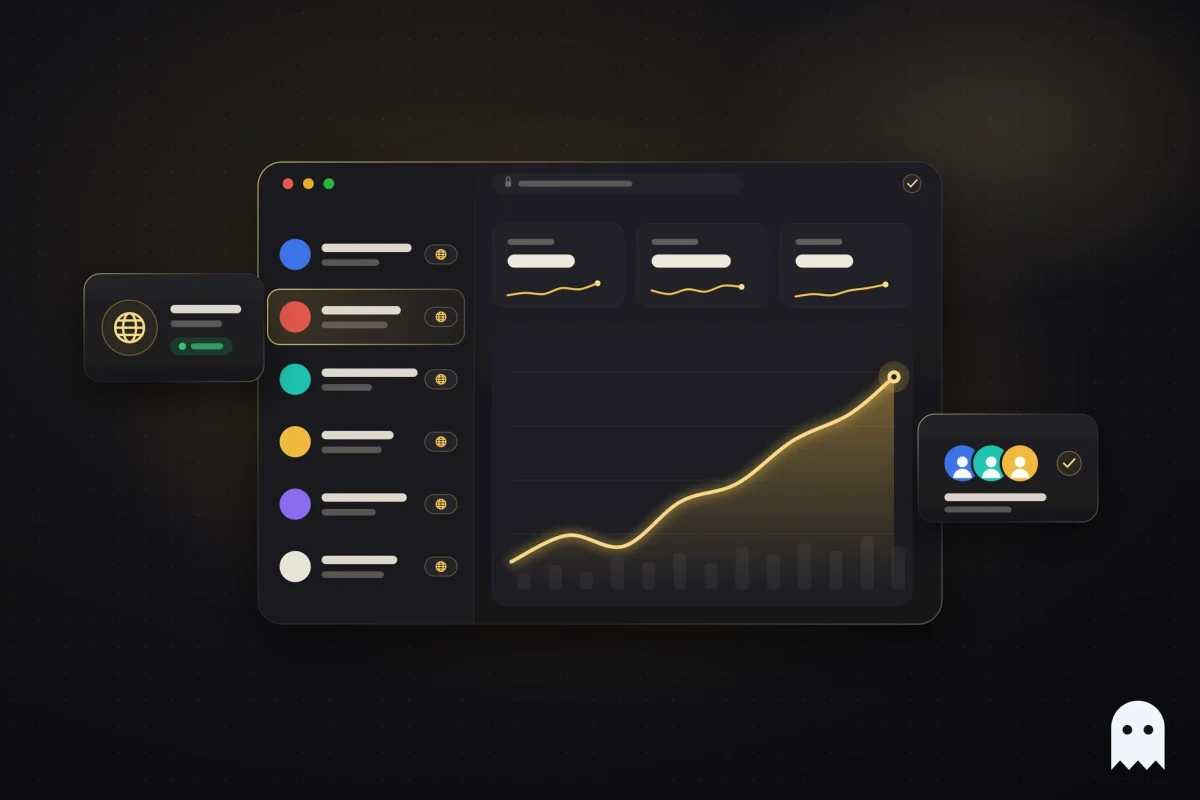
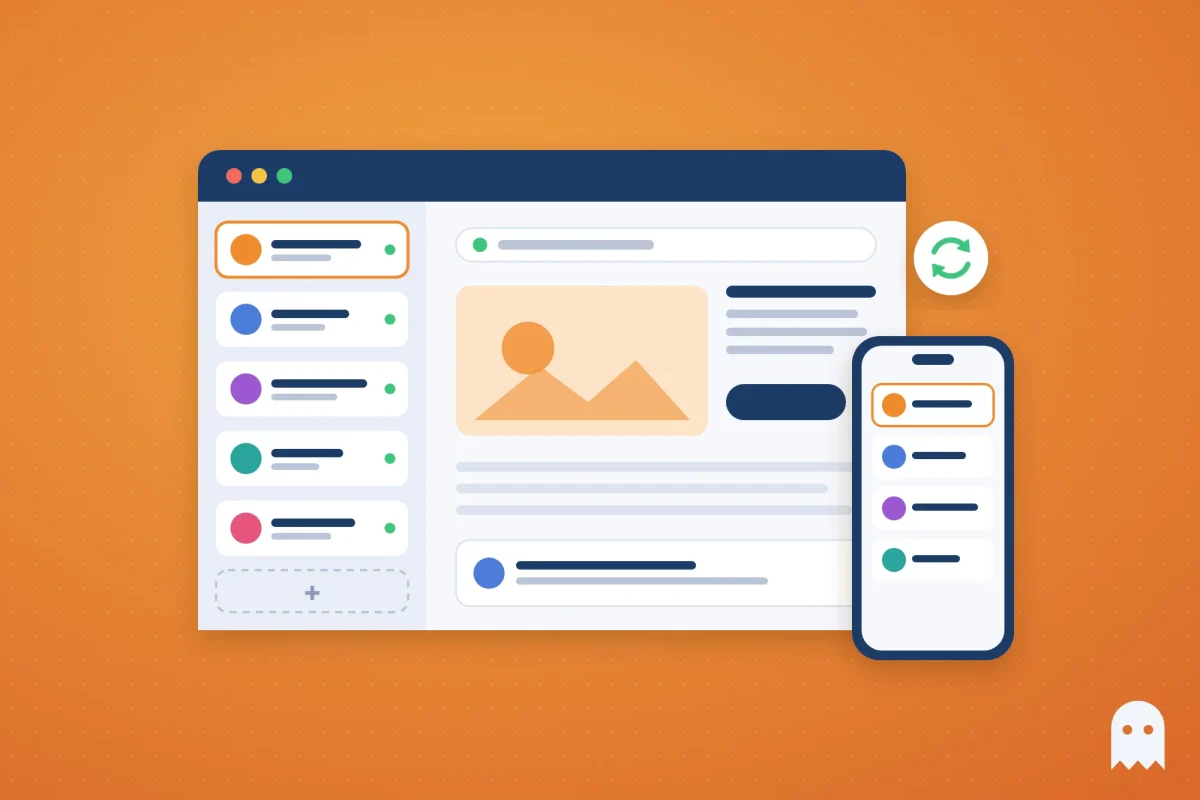
An antidetect browser for affiliate marketing keeps your ad accounts, farm accounts and bought accounts from being linked. In a regular browser they share one IP and one fingerprint, so a ban on one account leads the platform to the rest. An antidetect browser gives every account its own profile with separate cookies, a proxy and a fingerprint.

Read more: Antidetect browser for affiliate marketing: how to keep ad accounts separate
Best AdsPower Alternatives: Tested and Compared for Solo Users and Teams

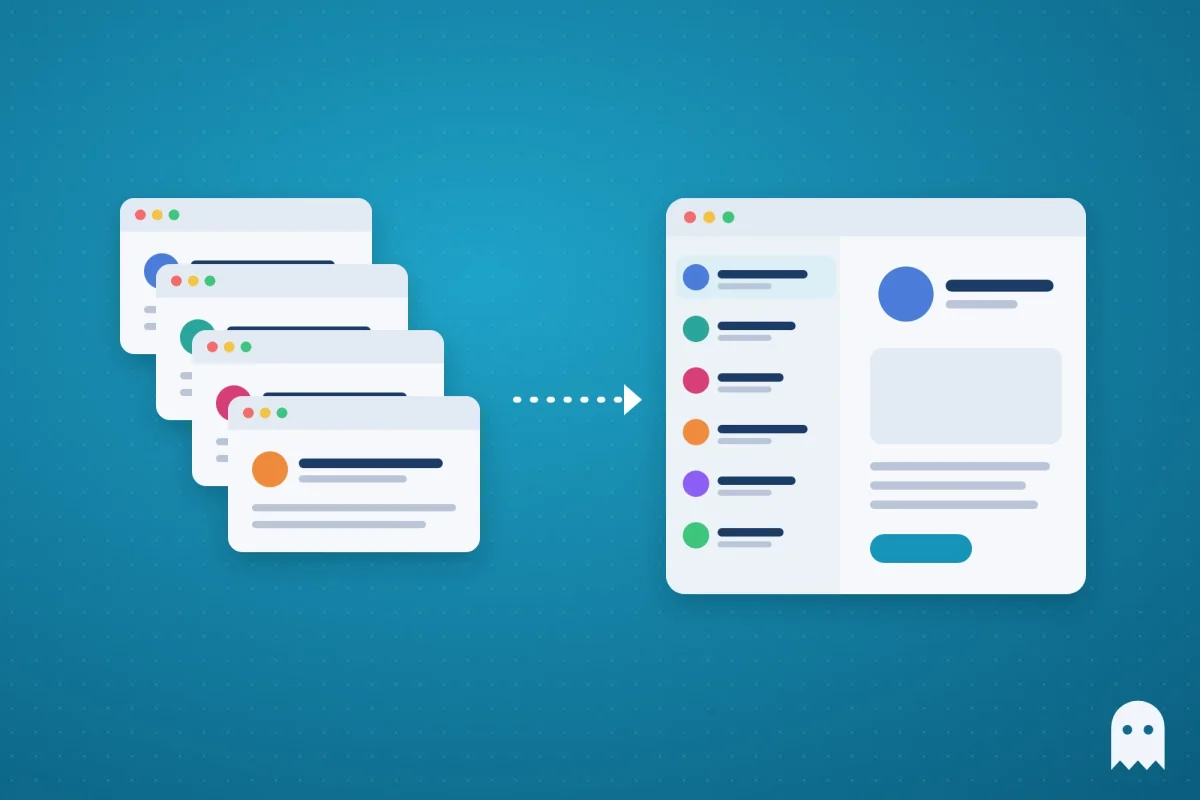
The best AdsPower alternative depends on your operational workflow: if you need automation without add-on fees for RPA points, native browser control via AI agents (Claude, Cursor, Codex) over MCP, a local API, and a mobile app for iOS, Accovod is the optimal choice ($15/month for unlimited local profiles); for running profiles via a cloud web interface and legacy Selenium/Puppeteer scripts, GoLogin is the primary option; for classic Facebook and Google traffic arbitrage, consider Dolphin Anty or Octo Browser; and for large corporate teams with budgets starting from €99/month, Multilogin remains the standard.

Read more: Best AdsPower Alternatives: Tested and Compared for Solo Users and Teams

How to Tell If You’re Shadowbanned on TikTok (And Restore Your Views)

A TikTok shadowban is an unannounced reach restriction where the platform cuts off your videos from the For You feed (FYP) and excludes them from hashtag search indexing. Your account remains active: videos upload without errors, and your current followers can still watch them from their Following tab or your profile page. TikTok never sends a warning notification, but the restriction is easily diagnosed by reviewing your video traffic sources.

Read more: How to Tell If You’re Shadowbanned on TikTok (And Restore Your Views)

Is Dropshipping Legal? Rules, Risks and How It Actually Works

Yes, dropshipping is legal in the US, the UK, the EU and most other markets. It is an ordinary fulfillment method: you sell a product, and your supplier ships it straight to the customer. What gets dropshippers into legal trouble is never the model itself. It is what they sell and how they sell it: counterfeit goods, broken shipping promises, unpaid taxes and ignored marketplace rules.

Read more: Is Dropshipping Legal? Rules, Risks and How It Actually Works